
The best way to create Facebook ads (2026)
By Spencer Tribe · Last updated
The best way to create Facebook ads is to start from an ad that is already working in your category, not from a blank canvas. Pick one goal and one offer, rebuild a proven ad around your product, make three to five different versions in a feed size and a Story size, let Meta’s delivery choose between them, and replace the losers every week or two. Showfolk does the making part in about a minute per ad: it rebuilds real ads from major brands around your logo, colors and photos.
What are the steps, in order?
- Pick the one thing the ad should get people to do.
- Pick one offer or message.
- Start from an ad that already works.
- Make three to five versions that differ in a way that matters.
- Write the words around the image.
- Set it up in Ads Manager and leave it alone while it learns.
- Keep what works, replace what does not, every week or two.
1. What should the ad get people to do?
Choose this first, because it sets the campaign objective in Meta Ads Manager, and the objective tells Meta whom to show the ad to. There are six:
| Objective | Use it when you want | Typical small business |
|---|---|---|
| Sales | Purchases on your website or app | An online store |
| Leads | Form fills, calls or messages | Plumbers, med spas, dentists, real estate |
| Traffic | Visits to a page | A new menu, a booking page |
| Engagement | Messages, likes, event responses | An event, a message-first business |
| Awareness | As many local people as possible to see it | A new location opening |
| App promotion | App installs | An app |
If you are not sure, pick the objective that matches the action that makes you money: a sale, a booked call or a message.
2. What should the ad say?
One thing. A new-client price, a seasonal product, a same-day service, a reason to come in this week. An ad that tries to say three things says none of them, because people give it about as long as it takes to scroll past. Ad ideas by trade has offers that work for eleven kinds of local business.
3. Why start from an ad that already works?
Because the hardest part of an ad is not the software, it is knowing what a good one looks like. Brands with large budgets have already paid to find out, and their ads are public. Across the 1,725 static ads from 163 brands in the Showfolk library, the most common layout is product hero (46%), the most common hook is benefit (34.7%), and the median headline is only 6 words.
You can browse any brand’s live ads free in Meta’s Ad Library. Showfolk goes one step further: it filters real ads by industry, layout and hook, and rebuilds the one you pick around your product, so you borrow the structure without copying the ad. How to recreate an ad style without copying it.
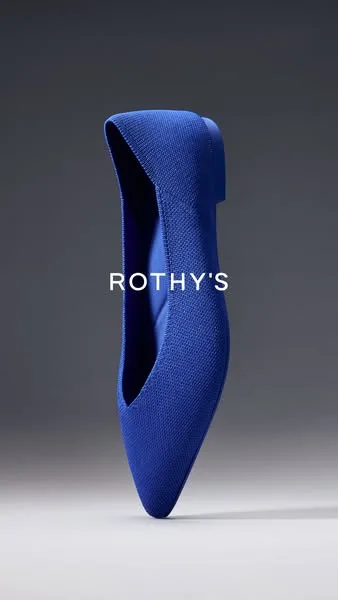
The reference: an ad a major brand is running.
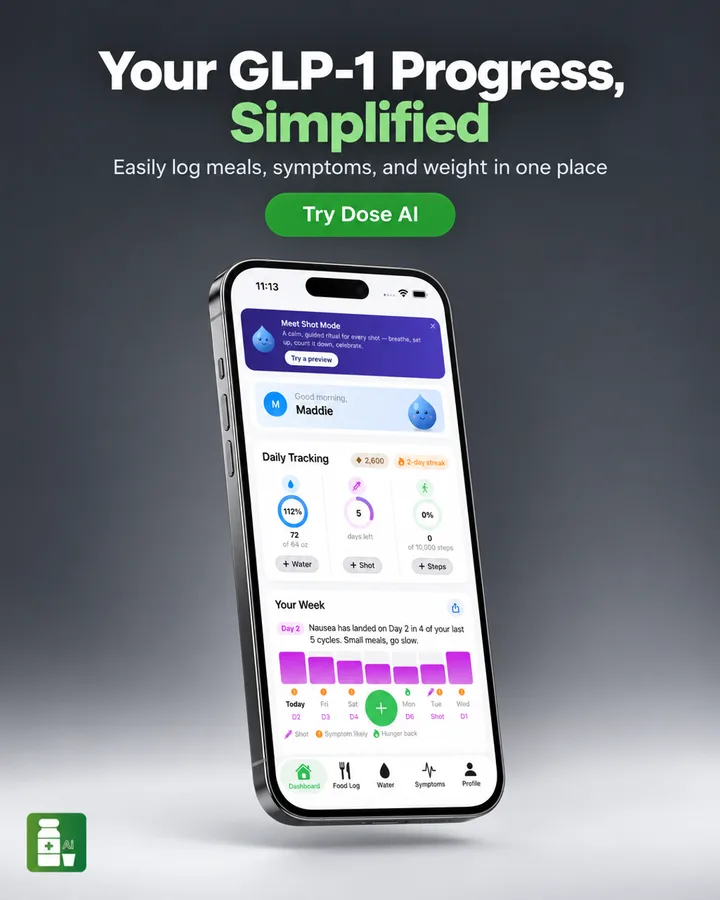
What Showfolk made from it for an app.
Figures are from the Showfolk library (1,725 ads from 163 brands, as of 2026-10-09). It is a curated sample, not a census of Meta. Method and full tables.
4. How many versions should you make?
Three to five, and make them different in a way that matters: a different layout, a different hook or a different photo, not the same ad in two shades of blue. Meta’s delivery system shifts spend toward the one that works, but only if the versions give it a real choice. Running a great many ads at once spreads the budget too thin to learn from, so keep it to a handful per ad set.
Make each one in two shapes: 4:5 (1080 × 1350) for the feed and 9:16 (1080 × 1920) for Stories and Reels, with text kept out of the top and bottom of the tall one. Sizes and safe zones · Preview your ad free.
Feed
4:5 · 1080 × 1350
Stories and Reels
9:16 · 1080 × 1920
5. What should the words around the image say?
Dose AI
Sponsored
Log a meal in seconds and see your week at a glance.
Try Dose AI
The four parts of a Facebook feed ad
- Primary text, above the image: put the point in the first line. Only the first line or two show before “See more”.
- Headline, under the image: a few words that repeat the offer.
- Button: the action you picked in step 1, such as Shop now, Book now or Send message.
The words on the image itself should be fewer still. Meta’s Ads Guide lists the recommended lengths for each placement; they differ from one to the next.
6. How do you set it up in Ads Manager?
- Create a campaign with the objective from step 1.
- For a local business, set the location to the area you serve. Leave the rest of the audience broad and let Advantage+ audience find the people; on a small budget, narrow targeting mostly limits who can see the ad.
- Leave Advantage+ placements on, so the ad can run in feeds, Stories and Reels, and give it both shapes.
- Set a daily budget you can hold for at least a week.
- Add your three to five versions to one ad set.
Then leave it alone. A new ad set is in a learning phase until it has had about 50 results in a week, and Meta says that significant edits during that time restart it. Housing, employment and credit ads have extra targeting rules; the real estate page explains them.
7. When do you change the ads?
After the learning phase, or after about a week if it never leaves it. Keep the version with the lowest cost per result, switch off the ones that are clearly behind, and add one or two new versions in their place. The same image shown to the same people wears out, so plan on fresh ads every week or two rather than one perfect ad. That rhythm is what makes the making part worth getting fast at.
What is the fastest way to make the ads themselves?
| Way | Time per ad | Catch |
|---|---|---|
| Design it yourself from a template | 30 minutes to a few hours | You still have to know what good looks like. |
| Hire a freelancer | Days | Cost adds up at a new ad every week. |
| ChatGPT or another image model | Many tries | Your logo is redrawn and every word needs checking. |
| Showfolk | About a minute, after a one-time website import | Static image ads only, which is what this process needs. |
The five ways compared in detail · Can ChatGPT make Facebook ads? · Try it free for 3 days.
What are the most common mistakes?
- Boosting a random post instead of making an ad with one goal and one offer.
- Running one ad and deciding Facebook ads do not work.
- Editing the ad set every day, which keeps it learning.
- Narrow interest targeting on a small budget.
- A square image in Stories, or text under the Reels buttons.
- The same ad for three months.